
Mission
Our mission is to provide exceptional musical education to young people in the Galápagos while fostering environmental awareness, civic responsibility, and a lifelong commitment to learning. Through a multidisciplinary curriculum that combines music, science, humanities, and environmental education, we strive to develop skilled musicians, engaged citizens, and future leaders who understand their role in protecting both their communities and the planet.
Vision
We envision a generation of thoughtful, creative, and responsible global citizens equipped to address the challenges of the future. By nurturing artistic excellence, intellectual curiosity, and environmental stewardship, we aim to empower young people to become leaders and caretakers of our world. Our long-term goal is to establish a successful model in the Galápagos that can be adapted and replicated in communities around the globe.
Inception
One of our greatest responsibilities is to protect and sustain the natural world. At Music for the Planet, we believe that music can play a powerful role in that effort. Through music, young people develop creativity, discipline, collaboration, empathy, and a deeper understanding of themselves and others. By helping students grow as musicians, thinkers, and engaged citizens, we provide them with the skills, knowledge, and values to contribute meaningfully to their communities and to the stewardship of our planet. We aim to nurture not only accomplished artists, but also thoughtful leaders who understand their responsibility to the world around them.
The Foundation’s origins can be traced to the Galápagos Islands in 2017. Following the South American premiere of Philip Glass’s Eighth Symphony in Guayaquil, Ecuador, Maestro Dante Santiago Anzolini invited the composer to spend several days in the Galápagos. During their visit, the two artists explored the islands together, including the Charles Darwin Research Station, and discussed music, education, science, and the environmental significance of one of the world’s most extraordinary ecosystems.
It was during those conversations that a simple idea emerged. Despite the Galápagos’ global importance as a symbol of conservation and biodiversity, there was no comprehensive music school serving the islands’ young people. Anzolini shared his vision of creating an educational program centered on musical excellence while drawing on the broader education that had shaped his own life.
As a student, his musical training developed alongside studies in the humanities, sciences, and mathematics. Later, at Yale University, these disciplines continued to inform his work as a conductor, composer, educator, and scholar. He came to believe that the combination of artistic, scientific, and humanistic education offered a uniquely powerful way of understanding both ourselves and the world around us.
Philip Glass encouraged him to bring the idea to life through a public artistic project. He offered the use of his score for “Jane”, the National Geographic documentary about the life and work of renowned conservationist Jane Goodall. Together, they discussed Goodall’s lifelong commitment to redefining humanity’s relationship with the natural world and the urgency of environmental stewardship in the face of growing global challenges.
Inspired by those conversations, Anzolini proposed an ambitious undertaking: to bring the Guayaquil Symphony Orchestra to the Galápagos and present a live performance of Glass’s score alongside a screening of Jane. The project required months of planning, coordination, and collaboration with National Geographic and local partners. In July 2018, the entire orchestra traveled to the islands to perform a series of concerts that became the first Music for the Planet Festival..
Throughout the festival, Anzolini spoke to audiences about music’s unique capacity to connect people, foster empathy, and deepen self-awareness. Music, he argued, is far more than entertainment. It teaches us to listen carefully, work collaboratively, express ourselves, and understand others. These qualities enrich individual lives, strengthen communities, and help cultivate the wisdom needed to address the challenges facing our world.
The festival culminated in an open-air screening of Jane accompanied by a live orchestral performance. Thousands gathered under the Galápagos sky, creating what is believed to have been the largest public event in the history of the islands. In that moment, the vision became tangible. What began as a conversation about music and conservation revealed the possibility of something much larger: an educational model that could connect artistic excellence with environmental awareness and civic responsibility.
During the second Music for the Planet Festival in the summer of 2019, musicians from the festival orchestra spent time with local children, introducing them to orchestral instruments and sharing the joy of making music. The enthusiasm and curiosity of the students, many of whom had never encountered these instruments before, revealed both the need and the opportunity for sustained music education in the Galápagos. These interactions helped inspire the vision that would later become the Music for the Planet Learning Center.
While the COVID-19 pandemic delayed those plans, the vision remained alive. In 2023, the Music for the Planet Learning Center was officially approved by Ecuador’s Ministry of Culture and Heritage and established in the Galápagos Islands. The Learning Center places music at the heart of its educational model, providing intensive musical training while integrating studies in mathematics, environmental science, literature, philosophy, psychology, history, and civic awareness. Students will learn not only how to perform music, but also how to think critically, understand complex systems, appreciate different perspectives, and engage meaningfully with the challenges facing their communities and the world.
For more than four decades, Maestro Anzolini has taught and mentored students throughout North and South America and Europe. His experience as an educator, conductor, and professor reinforced his conviction that exceptional musical training is most powerful when supported by a broad education. Music develops creativity, discipline, collaboration, and emotional intelligence. Science cultivates inquiry and evidence-based thinking. The humanities provide historical perspective, ethical reflection, and cultural understanding. Together, these fields help students become thoughtful, engaged, and responsible members of society.
The Galápagos provides an extraordinary setting for this work. Few places demonstrate more clearly the interconnectedness of life and the importance of environmental stewardship. By bringing together music, science, and the humanities, Music for the Planet seeks to cultivate a new generation of creative thinkers, compassionate leaders, and responsible global citizens.
What began as a conversation between two artists on a small island in the Pacific has grown into an educational initiative dedicated to helping young people discover the transformative power of music while developing the knowledge, perspective, and sense of responsibility needed to care for the world they will inherit.
The Foundation’s origins can be traced to the Galápagos Islands in 2017. Following the South American premiere of Philip Glass’s Eighth Symphony in Guayaquil, Ecuador, Maestro Dante Santiago Anzolini invited the composer to spend several days in the Galápagos. During their visit, the two artists explored the islands together, including the Charles Darwin Research Station, and discussed music, education, science, and the environmental significance of one of the world’s most extraordinary ecosystems.
It was during those conversations that a simple idea emerged. Despite the Galápagos’ global importance as a symbol of conservation and biodiversity, there was no comprehensive music school serving the islands’ young people. Anzolini shared his vision of creating an educational program centered on musical excellence while drawing on the broader education that had shaped his own life.
As a student, his musical training developed alongside studies in the humanities, sciences, and mathematics. Later, at Yale University, these disciplines continued to inform his work as a conductor, composer, educator, and scholar. He came to believe that the combination of artistic, scientific, and humanistic education offered a uniquely powerful way of understanding both ourselves and the world around us.
Philip Glass encouraged him to bring the idea to life through a public artistic project. He offered the use of his score for “Jane”, the National Geographic documentary about the life and work of renowned conservationist Jane Goodall. Together, they discussed Goodall’s lifelong commitment to redefining humanity’s relationship with the natural world and the urgency of environmental stewardship in the face of growing global challenges.
Inspired by those conversations, Anzolini proposed an ambitious undertaking: to bring the Guayaquil Symphony Orchestra to the Galápagos and present a live performance of Glass’s score alongside a screening of Jane. The project required months of planning, coordination, and collaboration with National Geographic and local partners. In July 2018, the entire orchestra traveled to the islands to perform a series of concerts that became the first Music for the Planet Festival..
Throughout the festival, Anzolini spoke to audiences about music’s unique capacity to connect people, foster empathy, and deepen self-awareness. Music, he argued, is far more than entertainment. It teaches us to listen carefully, work collaboratively, express ourselves, and understand others. These qualities enrich individual lives, strengthen communities, and help cultivate the wisdom needed to address the challenges facing our world.
The festival culminated in an open-air screening of Jane accompanied by a live orchestral performance. Thousands gathered under the Galápagos sky, creating what is believed to have been the largest public event in the history of the islands. In that moment, the vision became tangible. What began as a conversation about music and conservation revealed the possibility of something much larger: an educational model that could connect artistic excellence with environmental awareness and civic responsibility.
During the second Music for the Planet Festival in the summer of 2019, musicians from the festival orchestra spent time with local children, introducing them to orchestral instruments and sharing the joy of making music. The enthusiasm and curiosity of the students, many of whom had never encountered these instruments before, revealed both the need and the opportunity for sustained music education in the Galápagos. These interactions helped inspire the vision that would later become the Music for the Planet Learning Center.
While the COVID-19 pandemic delayed those plans, the vision remained alive. In 2023, the Music for the Planet Learning Center was officially approved by Ecuador’s Ministry of Culture and Heritage and established in the Galápagos Islands. The Learning Center places music at the heart of its educational model, providing intensive musical training while integrating studies in mathematics, environmental science, literature, philosophy, psychology, history, and civic awareness. Students will learn not only how to perform music, but also how to think critically, understand complex systems, appreciate different perspectives, and engage meaningfully with the challenges facing their communities and the world.
For more than four decades, Maestro Anzolini has taught and mentored students throughout North and South America and Europe. His experience as an educator, conductor, and professor reinforced his conviction that exceptional musical training is most powerful when supported by a broad education. Music develops creativity, discipline, collaboration, and emotional intelligence. Science cultivates inquiry and evidence-based thinking. The humanities provide historical perspective, ethical reflection, and cultural understanding. Together, these fields help students become thoughtful, engaged, and responsible members of society.
The Galápagos provides an extraordinary setting for this work. Few places demonstrate more clearly the interconnectedness of life and the importance of environmental stewardship. By bringing together music, science, and the humanities, Music for the Planet seeks to cultivate a new generation of creative thinkers, compassionate leaders, and responsible global citizens.
What began as a conversation between two artists on a small island in the Pacific has grown into an educational initiative dedicated to helping young people discover the transformative power of music while developing the knowledge, perspective, and sense of responsibility needed to care for the world they will inherit.
Leadership
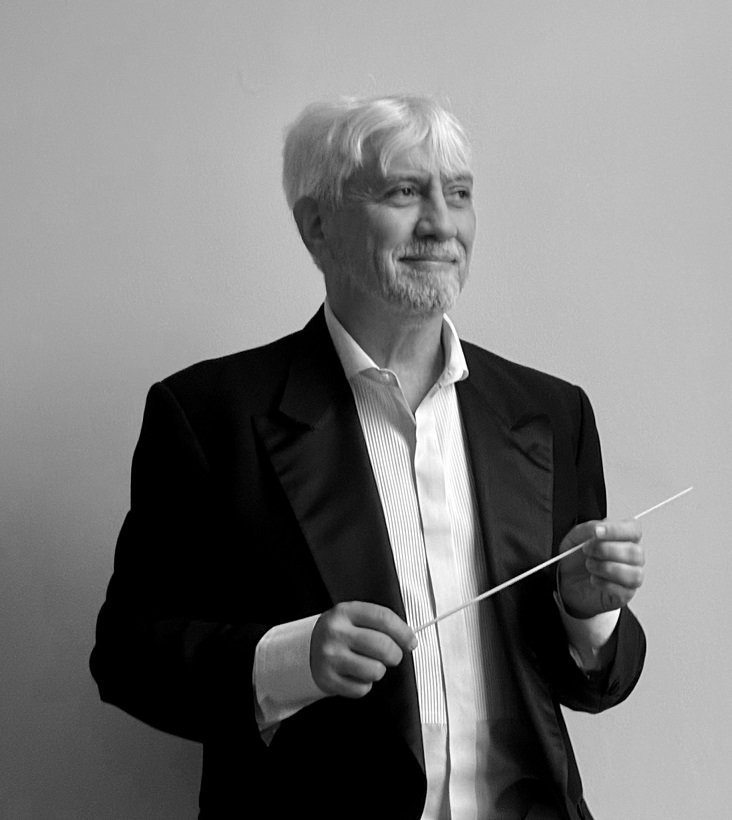
Dante Santiago Anzolini
Founder and Director is an internationally acclaimed conductor, composer, and educator whose career has spanned some of the world’s leading musical institutions, including the Metropolitan Opera, Washington National Opera, the Vienna Symphony, and renowned concert halls such as Carnegie Hall, Boston Symphony Hall, and Vienna’s Musikverein. A former Music Director of the MIT Symphony Orchestra, he has conducted major orchestras across Europe, the Americas, and Africa while dedicating his career to mentoring young musicians, creating educational programs, and expanding access to the arts. His interests extend beyond music to mathematics, literature, history, and science, reflecting a lifelong belief that the most meaningful education connects disciplines rather than separates them. This vision inspired the creation of the original Music for the Planet festival in the Galápagos, which brought together music and environmental awareness. Today, through Music for the Planet Foundation, he is building a new educational model that integrates music, mathematics, ecological science, and the humanities, helping young people develop as artists, critical thinkers, and responsible stewards of the world they will inherit.
To learn more about Maestro Anzolini and to see his full bio please visit danteanzolini.com
To learn more about Maestro Anzolini and to see his full bio please visit danteanzolini.com
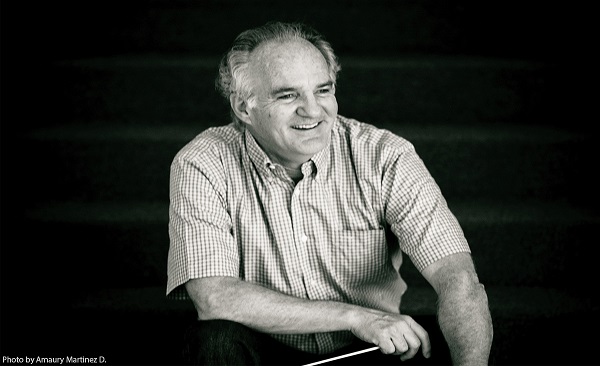
Juan Cristobal Palacios
Member of the board and visiting artist is a conductor, educator, and youth music leader with more than three decades of experience developing innovative music education programs across the Americas. A native of Venezuela, he pursued advanced musical studies in the United States at Boston University and Yale University, where he studied under distinguished conductors Eiji Oue and Eleazar de Carvalho and participated in the premieres of more than fifty contemporary works. Returning to Venezuela, he made his professional conducting debut at age 24 with the Simón Bolívar Youth Orchestra and later founded and led the Fundación Sinfónica Juvenil de Chacao, creating one of the country’s most respected youth music programs. His career has combined artistic excellence with a deep commitment to education, including appointments as professor of music theory and conductor at the Universidad Central de Venezuela, faculty member of the San Diego Youth Symphony and Conservatory, and leadership roles in youth music initiatives in Ecuador and Saint Maarten. Since 2022, he has served as Music Director of Enriching Lives Through Music (ELM) in San Francisco, a program that provides high-quality music education to underserved students while fostering personal growth, leadership, and civic engagement.
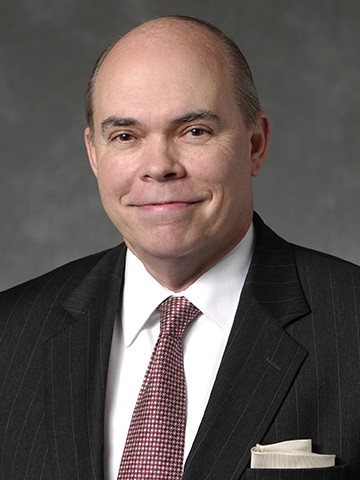
Olin Wethington
Member of the Board is a senior policy expert, attorney, investor, and former senior U.S. Treasury official with extensive experience in international finance, economic development, and global public policy. Over the course of a distinguished career spanning government, business, and international affairs, he has held senior leadership positions in the White House, the U.S. Department of the Treasury, and the Department of Commerce. He served as Assistant Secretary of the Treasury for International Affairs and later as Counselor to the Secretary of the Treasury, where he played a leading role in international financial diplomacy, sovereign debt negotiations, and economic reform initiatives around the world. Following his government service, he founded Wethington International LLC, an advisory firm focused on investment, business strategy, and emerging markets. A graduate of the University of Pennsylvania and Harvard Law School, Wethington has served on numerous corporate, nonprofit, and policy boards and has remained actively engaged in issues related to international development, economic opportunity, and global cooperation. His commitment to education, public service, and sustainable development brings valuable strategic perspective to the mission of Music for the Planet.